
AI Systems Prescribing Psychiatric Drugs: A New Frontier in Healthcare
1 min read
AI Security, Privacy & Model/Prompt Risk Management
-/5
In short
- Utah has taken a significant step by allowing an AI system to prescribe psychiatric medications without the direct involvement of a physician.
- This marks only the second instance in the United States where such clinical authority has been delegated to artificial intelligence.
- Proponents argue that this innovation could reduce healthcare costs and alleviate shortages in mental health services.
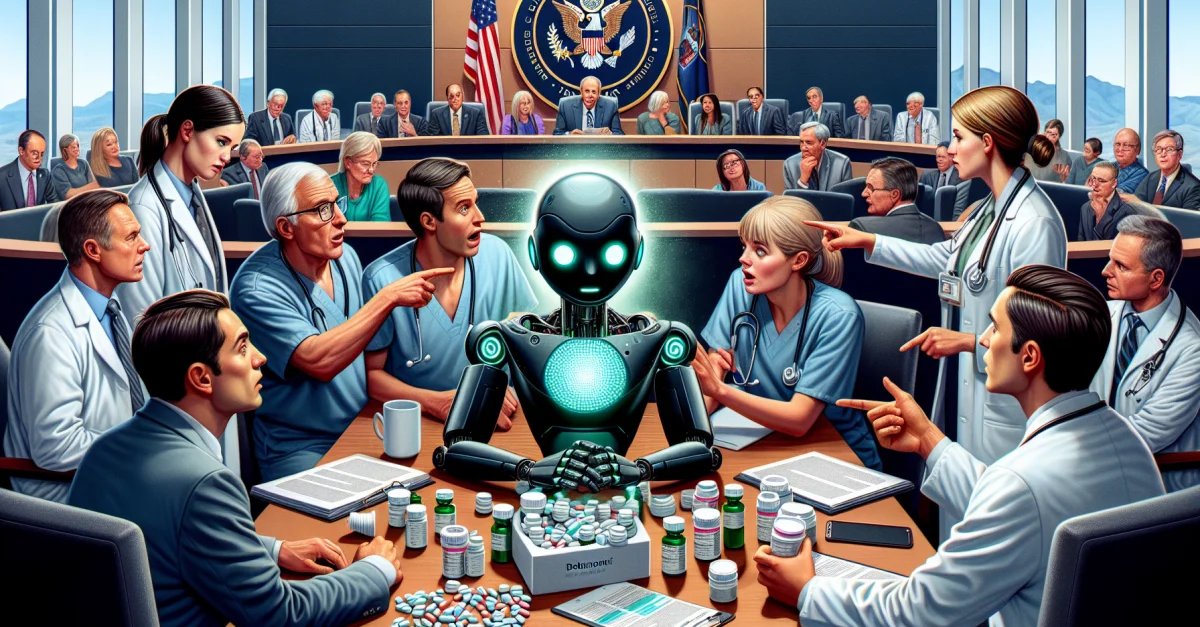

Utah has taken a significant step by allowing an AI system to prescribe psychiatric medications without the direct involvement of a physician. This marks only the second instance in the United States where such clinical authority has been delegated to artificial intelligence. Proponents argue that this innovation could reduce healthcare costs and alleviate shortages in mental health services. However, there are substantial concerns raised by medical professionals regarding the transparency and safety of this approach. Critics highlight the potential risks associated with an opaque decision-making process, emphasizing the need for careful scrutiny. In this context, it is important to note that while the initiative may offer certain advantages, a balanced assessment of its implications for patient care and safety is essential. A final evaluation of this development would be premature at this stage, as ongoing discussions about regulation and oversight will be crucial in shaping its future.
Source:
-
Chatbots are now prescribing psychiatric drugs — The Verge (EN-US)