
The Impact of AI on Art Education: A Complex Landscape
1 min read
Image Generation
-/5
In short
- As artificial intelligence continues to evolve, its influence on art schools and creative disciplines is becoming increasingly pronounced.
- The experiences of students, such as my younger brother who studies 3D modeling and animation, highlight a dual narrative of innovation and anxiety.
- While AI presents new tools and possibilities for artistic expression, it simultaneously raises concerns about job competition in a saturated market.
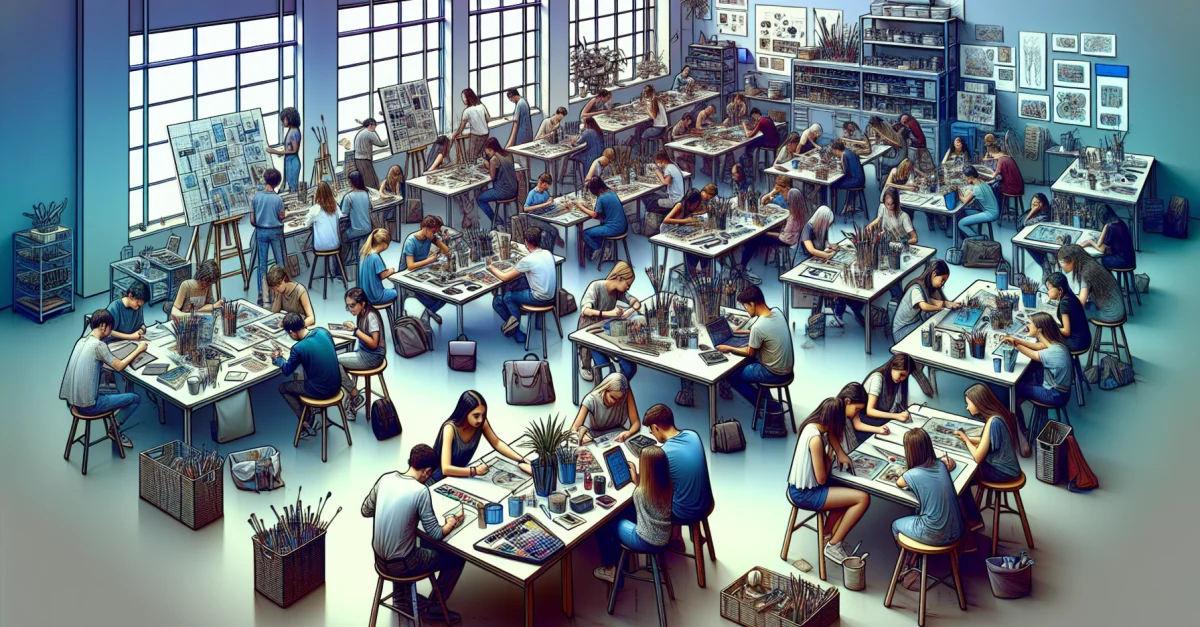

As artificial intelligence continues to evolve, its influence on art schools and creative disciplines is becoming increasingly pronounced. The experiences of students, such as my younger brother who studies 3D modeling and animation, highlight a dual narrative of innovation and anxiety. While AI presents new tools and possibilities for artistic expression, it simultaneously raises concerns about job competition in a saturated market. This situation necessitates a careful examination of the broader implications for art education. It is crucial to assess how institutions adapt their curricula to integrate AI while fostering creativity. A balanced evaluation reveals both opportunities for enhanced learning and the risks of diminishing traditional skills. In this context, it is important to note that the future of art schools will depend significantly on their ability to navigate these challenges and leverage AI as a complementary force rather than a replacement.
Source:
-
Art schools are being torn apart by AI — The Verge (EN-US)